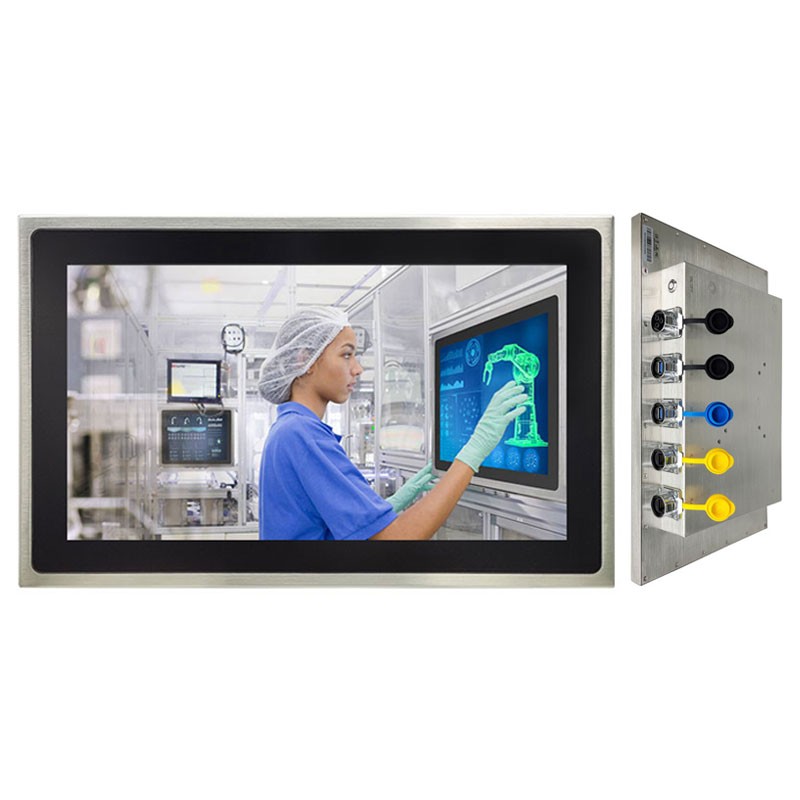
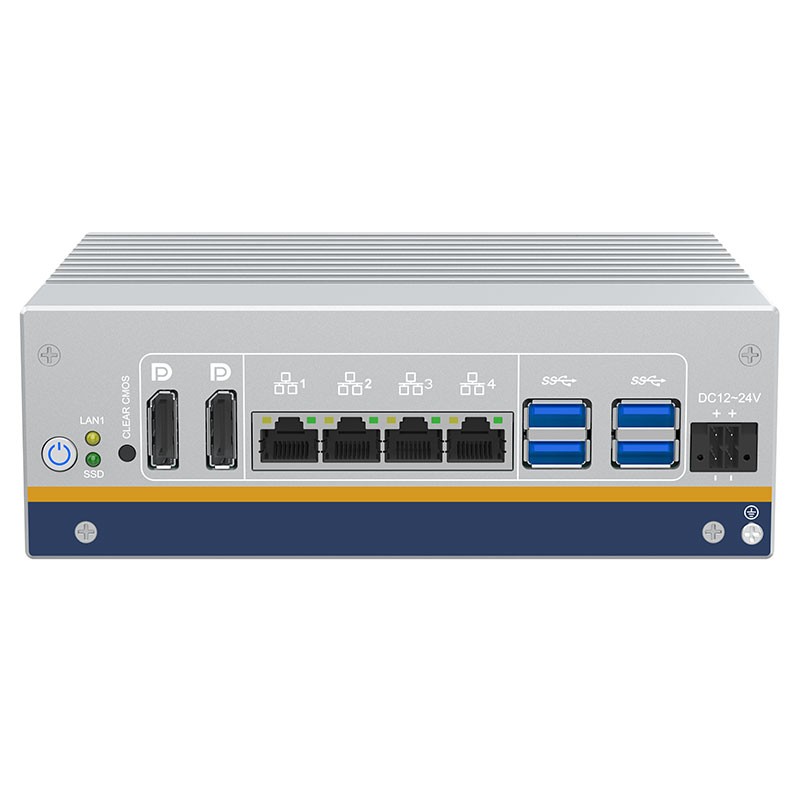
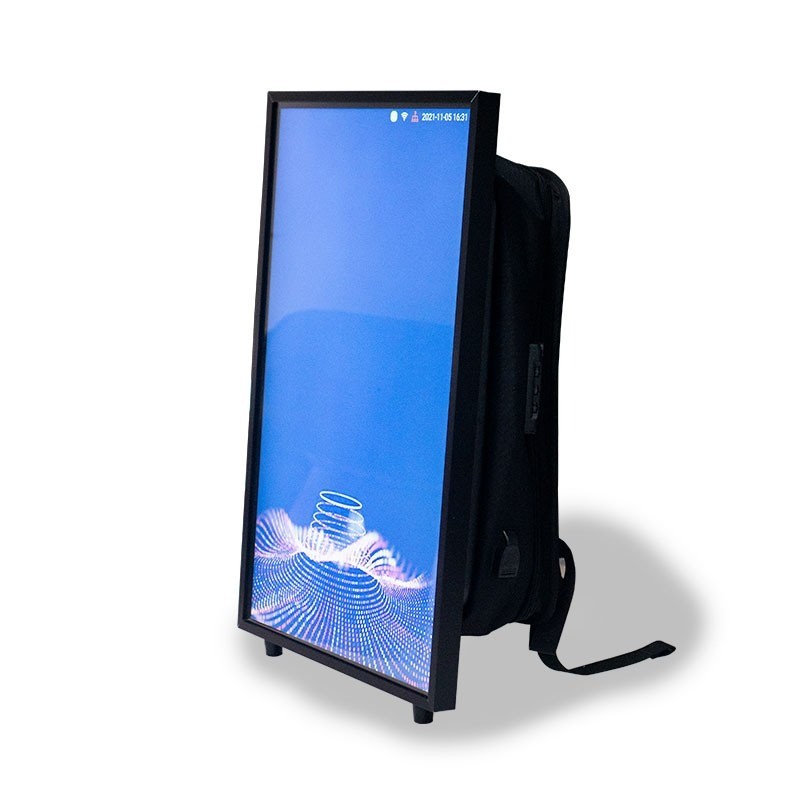
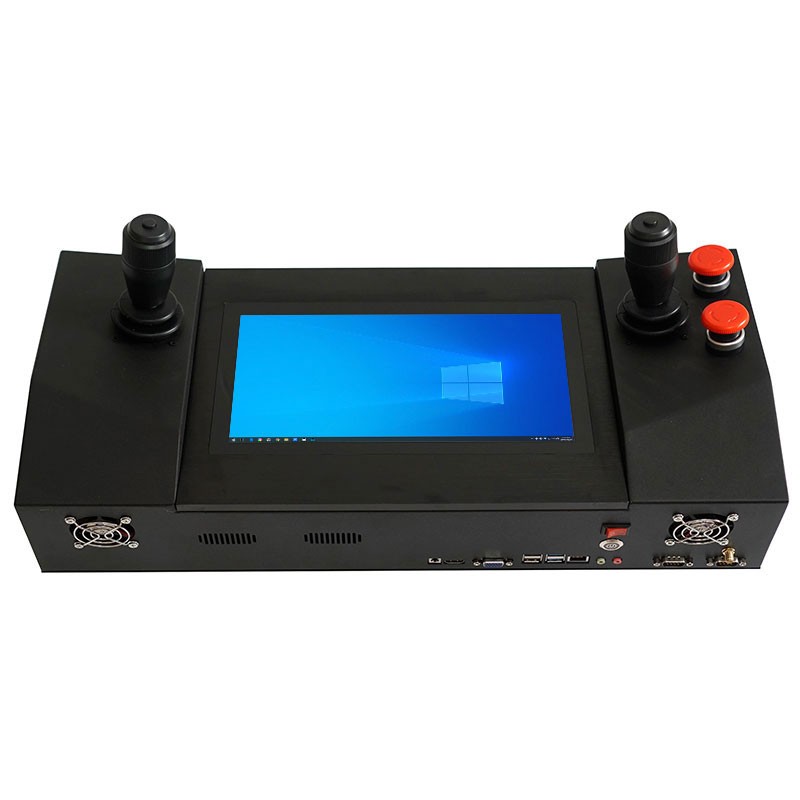
Our industrial-grade waterproof touch displays feature IP67-rated protection, high-brightness sunlight-readable technology, and advanced optical bonding to meet the rigorous demands of marine applications. These displays provide dependable performance where ordinary screens fail, ensuring critical information remains visible and accessible regardless of weather conditions or operational challenges.
The primary threat in any marine environment is omnipresent moisture and salt spray. Our displays utilize IP67-rated full-seal protection, meaning the unit is completely impervious to dust ingress and can withstand temporary submersion in water up to one meter deep. This protection level significantly exceeds standard IP65 ratings, ensuring internal circuitry remains dry and secure even during heavy rain, wave splash, or brief immersion incidents.
The front bezel and rear housing are sealed with precision waterproof gaskets, while all interface ports feature IP67-rated waterproof connectors, including HDMI video input, USB touch interface, and DC power connections. This comprehensive sealing design creates a truly watertight device that completely eliminates moisture penetration risks.
Saltwater contains highly corrosive elements that rapidly deteriorate standard metals. Our display housings employ aluminum alloy bezels with sandblasted anodization, treated with UV protection and anti-discoloration coatings. The rear housing utilizes zinc-plated cold-rolled steel with powder coating for enhanced corrosion resistance. Select models feature 316 stainless steel housings—the same marine-grade material used in shipbuilding—offering exceptional resistance to seawater corrosion.
This material combination not only withstands prolonged salt fog exposure but also resists various chemical substances encountered in marine environments, ensuring displays maintain structural integrity and appearance after years of shipboard service.
Traditional displays feature an air gap between the LCD screen and touch layer, which promotes internal fogging and moisture condensation in humid environments, severely compromising visibility. We employ advanced optical bonding technology that seamlessly integrates the touchscreen with the LCD panel, completely eliminating air gaps.
For marine equipment operating in high-humidity ocean environments, optical bonding represents an essential core technology that ensures consistent display quality under extreme conditions.
During marine operations, intense sunlight and surface glare render ordinary displays completely illegible. Our displays feature industrial-grade LCD panels with 1000-1500 nit brightness—three to five times brighter than consumer displays. This ultra-high brightness ensures crew members can clearly view navigation charts, sonar data, or monitoring feeds even under the harshest midday sun, eliminating safety risks caused by unreadable screens.
Different models offer brightness levels optimized for specific applications: the SL500W series provides 1000-nit brightness suitable for general marine environments, while the SL600W and SL700W series deliver 1500-nit extreme brightness specifically designed for open deck and bridge installations where direct sunlight exposure is constant.
While high brightness is critical during daylight hours, excessive brightness at night causes eye strain and wastes valuable electrical power. Our displays incorporate ambient light sensors that automatically adjust screen brightness based on surrounding light conditions, ensuring optimal viewing comfort at any time of day or night.
Select models include manual dimming controls or adjustment knobs, allowing users to fine-tune brightness from 100% down to 0% for maximum flexibility. This intelligent adjustment not only enhances user experience but significantly extends display lifespan and conserves precious onboard electrical resources.
Aboard vessels, multiple crew members often need to view the same display from different positions. Our displays utilize industrial-grade LCD panels offering 89°/89°/89°/89° (left/right/up/down) viewing angles, ensuring consistent color reproduction and contrast regardless of viewing position, with no color shift or brightness degradation.
This wide viewing angle capability proves especially valuable in wheelhouses, bridges, and operation rooms where team coordination is essential, ensuring every crew member accurately receives screen information for enhanced collaboration and navigation safety.
Sunlight reflecting off water surfaces and environmental lighting creates significant glare on standard screens, severely interfering with visual interpretation. Our displays feature chemical etching anti-glare surface treatment that effectively reduces specular reflection while maintaining light transmission above 85%, dramatically minimizing glare interference.
This treatment produces a refined matte texture that remains clearly visible even under intense sunlight or complex cabin lighting conditions, without reflection interference. For crew members spending extended periods monitoring screens, anti-glare treatment substantially reduces eye fatigue and improves operational comfort.
In marine environments, intense UV radiation and surface glare can cause serious eye damage, necessitating polarized sunglasses for vision protection. However, many LCD displays become illegible when viewed through polarized lenses, exhibiting screen blackout, color distortion, or severely reduced viewing angles—creating significant operational difficulties aboard vessels.
Our displays feature specialized optical design and polarizing film optimization that ensures perfect compatibility with polarized sunglasses. This capability proves critical during extended marine operations, allowing crew members to view displays without repeatedly removing protective eyewear, safeguarding eye health while ensuring operational continuity and efficiency.
Marine operating environments present numerous hazards where display surfaces face potential impacts, scratches, or even seabird collisions. We employ 2mm-thick chemically strengthened tempered glass as a protective layer, with surface hardness reaching 7H grade, effectively resisting daily scratches and moderate impacts.
This high-hardness glass not only protects the underlying touch layer and LCD panel but ensures the screen surface remains pristine even after years of use, preventing scratches from degrading display quality or touch accuracy.
During shipboard operations, crew members' hands are frequently wet from seawater, rain, or perspiration. Traditional touchscreens malfunction or register false inputs when water droplets are present. We utilize EETI (eGalax Electronic Technology Inc.) professional waterproof touch solutions that maintain precise, responsive touch functionality even with water droplets on the screen surface.
This technology's core lies in intelligent water droplet recognition algorithms that accurately distinguish between water and finger touches, automatically filtering interference signals caused by droplets. This means crew members can operate displays normally during rainstorms, wave splash, or even while wearing wet gloves, without needing to stop and dry hands or screens—dramatically improving operational continuity and efficiency.
Our displays employ projected capacitive (PCAP) touch technology supporting 10-point multi-touch with fast response times and precise positioning. This touch method not only supports single-finger taps and two-finger zoom gestures but functions normally with gloves (depending on glove material thickness).
Multi-touch functionality proves particularly valuable in marine chart applications, allowing crew members to zoom, drag, and manipulate electronic charts with smartphone-like intuitive gestures, marking waypoints and accessing detailed information quickly and efficiently. Additionally, PCAP technology offers superior durability compared to resistive touch, with no touch layer wear-related failures.
Marine environments experience dramatic temperature variations, from equatorial heat to polar cold, from deck exposure to engine room confinement. Our displays utilize industrial-grade components with an operating temperature range of -20°C to 70°C (-4°F to 158°F), with storage temperatures extending from -30°C to 80°C.
This wide-temperature design ensures displays operate reliably in any ocean region and any season, without experiencing blackouts, image distortion, or touch failures due to extreme temperatures.
Traditional displays typically require fan-based active cooling, but fans in marine environments fail rapidly due to salt fog corrosion and represent the most failure-prone mechanical components. Our displays employ fully passive fanless cooling design, utilizing aluminum housing with extensive heat dissipation fins and engineered thermal pathways for efficient natural cooling.
Fanless design not only improves reliability and service life but eliminates noise interference. More importantly, it avoids resonance issues from rotating fan components that would amplify vessel vibration effects.
Our displays pass GB/T 2423.10-2019 vibration testing and GB2423.5 shock testing, standards that simulate various vibration and impact scenarios encountered during vessel operation. Display internals feature reinforced structural design, with LCD panels, circuit boards, and connectors receiving specialized anti-vibration treatment.
Optical bonding technology plays a crucial role here as well, not only preventing moisture intrusion but firmly bonding touch layer and LCD panel together, preventing vibration-induced interlayer movement and wear. This monolithic structure offers significantly greater durability than traditional layered constructions, withstanding prolonged vessel vibration without loosening, delamination, or performance degradation.
Displays include multiple mounting options: VESA 75x75mm/100x100mm standard mounting holes, panel-mounted installation, U-bracket mounting, and more. These mounting methods are meticulously engineered to securely fix displays in various shipboard locations, whether instrument panels in wheelhouses, bridge bulkheads, or standalone deck mounts.
Select models feature gimbal-mount bracket designs allowing tilt and rotation adjustment within specific angle ranges, enabling optimal viewing angles while maintaining stability during vessel motion. Side-mounted M10 bolt attachment points provide additional options for complex installation requirements.
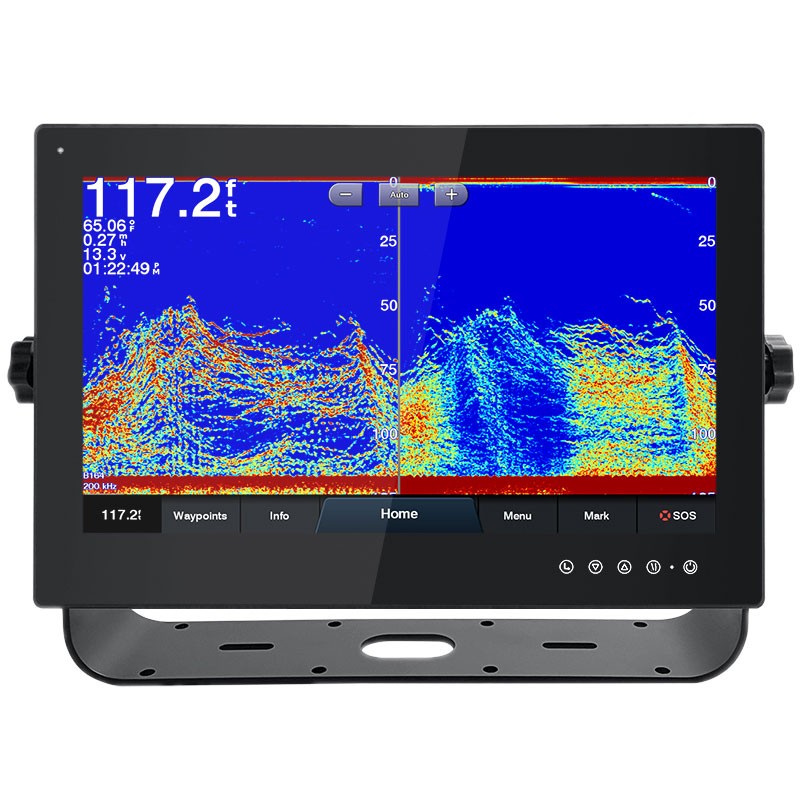
In commercial or recreational fishing operations, sonar fish finders and chart navigation systems represent core equipment. Our displays perfectly render sonar echo imagery, clearly showing fish school locations, seafloor topography, and depth information. High contrast and 1500-nit brightness ensure anglers accurately identify fish distribution and select optimal fishing locations even under intense sunlight.
Waterproof touch functionality allows fishermen to operate screens directly with wet hands, quickly switching between different sonar views, adjusting sensitivity parameters, or marking fishing spots without worrying about water damage. IP67 protection means even brief submersion won't damage the device, providing extra security for valuable marine electronics.
Select models are specifically optimized for Garmin and other brand fish finders and chartplotters, offering seamless compatibility and extended screen functionality, allowing fishermen to simultaneously view multiple information sources for comprehensive underwater conditions and navigation data.
For sailing vessels, Electronic Chart Display and Information Systems (ECDIS) and GPS navigation ensure safe passage. Our displays deliver high-resolution (1920×1080 Full HD) imaging that clearly presents complex electronic charts, channel markers, shoal warnings, and weather information. Multi-touch functionality enables captains to manipulate charts like tablets, easily zooming maps, planning routes, and querying port information.
During long voyages requiring 24/7 operation, our industrial-grade components and 50,000-hour LED backlight design ensure long-term stable operation. Wide voltage input (DC 9-36V) accommodates most marine electrical systems without additional voltage converters, simplifying installation and maintenance.
Auto-brightness adjustment proves especially valuable in sailing applications: during daytime navigation, displays automatically increase brightness to combat sunlight; during nighttime passage, automatic brightness reduction maintains night vision adaptation, preventing overly bright screens from interfering with crew night vision—ensuring timely detection of other vessels and navigation hazards.
On large vessels, ferries, or yachts, video surveillance systems prove critical for passenger safety, cargo security, and vessel protection. Our displays connect to multiple camera feeds (select models support 3-channel AV input), displaying real-time monitoring of decks, engine rooms, cargo holds, dock perimeters, and other critical areas.
IP67 protection enables outdoor installation on decks, open bridges, and other exposed environments without concern for rain or wave impact. Anti-glare screens ensure watch personnel clearly observe monitoring feeds under any lighting conditions, promptly detecting abnormal situations. Vibration-resistant design guarantees stable, clear monitoring images even during severe vessel motion, without vibration-induced image shake or signal interruption.
Displays can also integrate into vessel central control systems, showing engine parameters, fuel status, compartment temperatures, and various sensor data, providing captains with comprehensive vessel status information to support decision-making and management.
While our displays feature IP67 protection, certain situations may require inspection or repair. We employ specialized maintainable waterproof design: the front bezel and rear housing seal with precision waterproof gaskets, allowing complete disassembly for internal inspection and maintenance without damaging the waterproof structure.
After maintenance completion, reassembly with replacement waterproof gaskets restores IP67 protection. This design dramatically reduces maintenance costs and downtime—particularly important during long voyages far from shore, where crew can perform basic troubleshooting and component replacement aboard vessel rather than waiting for port-side service.
All electronic components meet industrial-grade standards, far exceeding consumer-grade products. LCD panels utilize industrial-grade A+ screens, backlight LEDs rated for 50,000 hours (approximately 5.7 years continuous operation), touch controllers employ EETI professional-grade chips, and motherboards feature reinforced design with three-proof treatment (moisture-proof, salt fog-proof, mold-proof).
These high-quality components ensure displays operate reliably long-term in harsh marine environments with extremely low failure rates. We provide one-year warranties and comprehensive after-sales service, with extended warranty and rapid spare parts support available for marine and other special applications.
Displays feature standard HDMI video input and USB touch interfaces, compatible with Windows, Linux, Android, Mac operating systems and mainstream marine electronics brands including Garmin, Raymarine, and Simrad. This standardized design enables easy integration into existing marine electronic systems without specialized drivers or adapters.
9-36V wide voltage input accommodates both 12V and 24V—the two most common marine electrical systems—while isolated power input design effectively prevents electrical interference and surge damage. Included waterproof power cables, HDMI cables, and USB cables all receive IP67 waterproof treatment, ensuring complete system waterproof integrity.