Dec. 09, 2025
All seafood entering the facility must undergo rigorous multi-stage washing protocols. The washing process typically consists of three to four phases. Phase one involves pre-washing, primarily removing large debris such as sediment, seaweed, and shell fragments adhering to the seafood surface. This phase utilizes ambient-temperature seawater or freshwater, employing high-pressure spray systems to rinse the seafood from all angles. Water pressure control is critical—insufficient pressure fails to effectively remove contaminants, while excessive pressure may compromise the seafood's appearance and tissue integrity.
Phase two focuses on deep cleaning, targeting bacteria, microorganisms, and compounds responsible for fishy odors. Water temperature is adjusted according to seafood species, typically maintained between 2-8°C. In certain cases, food-grade cleaning agents or ozone are added to the wash water to enhance antimicrobial efficacy. Seafood moves slowly along conveyor belts, passing through multiple sets of rotating brushes and spray nozzles, ensuring thorough cleaning of every surface.
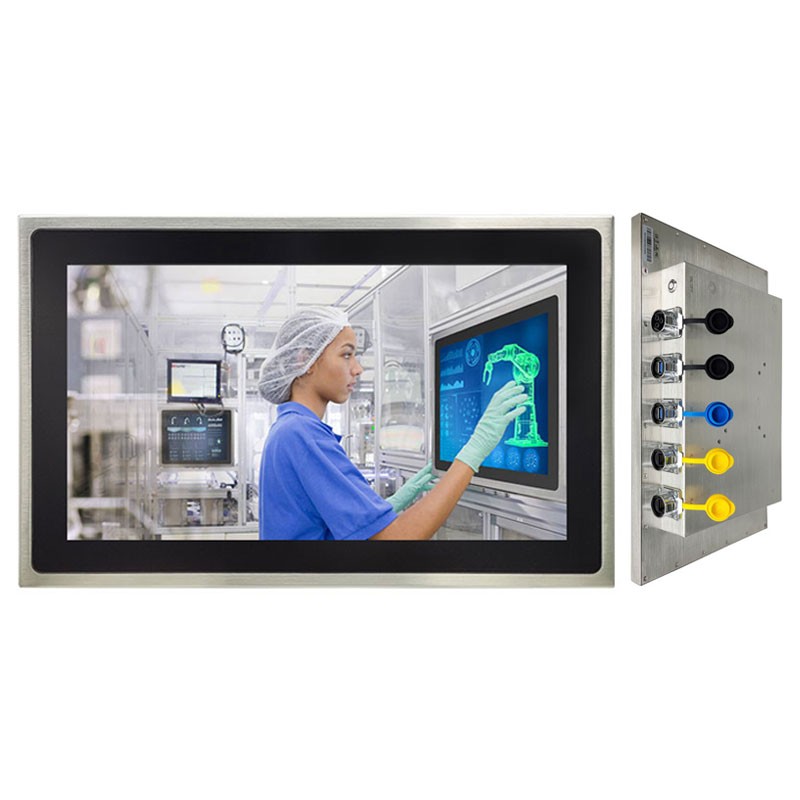
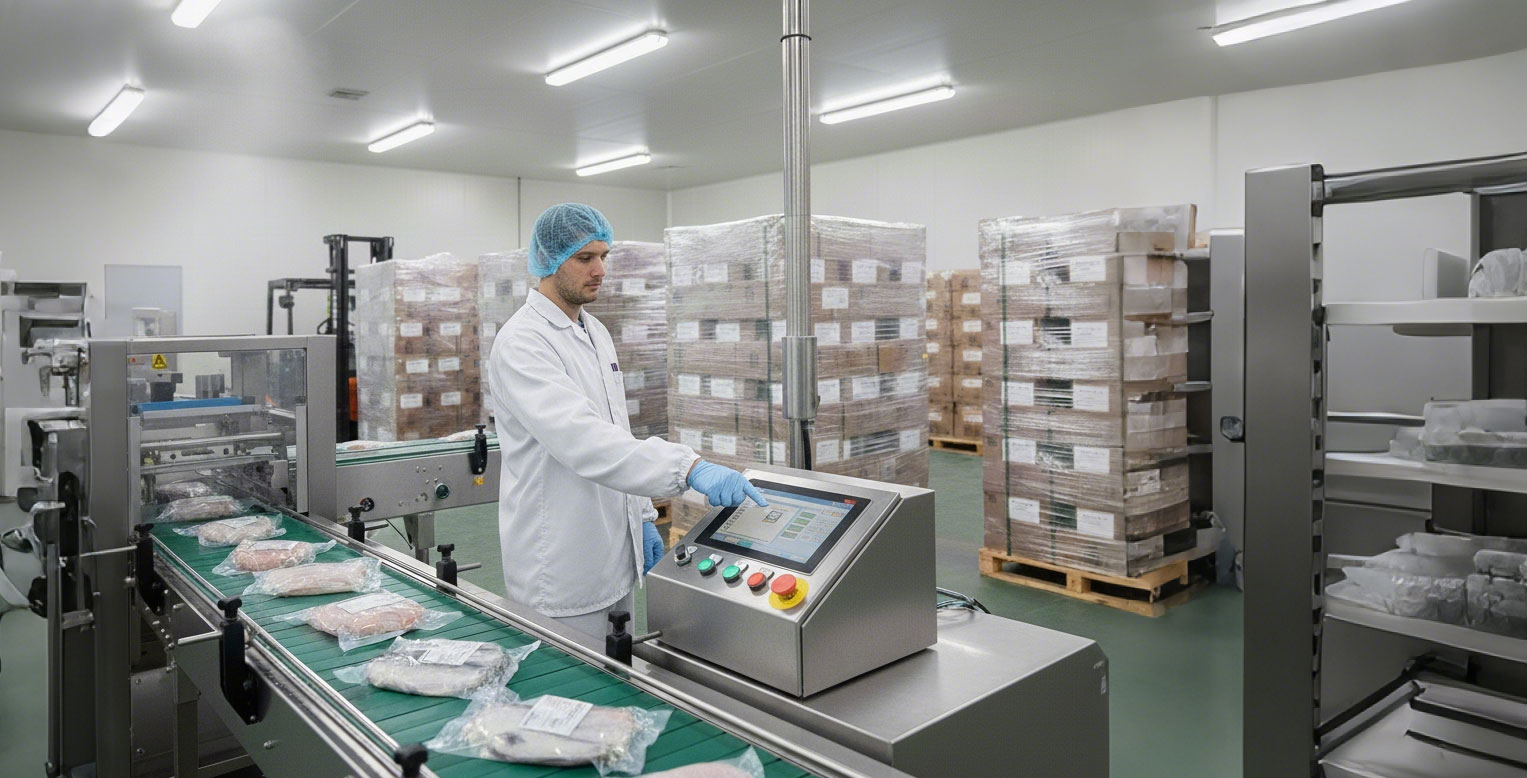
In the washing facility's control center, operators monitor the entire production line in real-time through IP65-rated waterproof industrial touchscreen computers. These 12.1-inch touchscreen devices feature stainless steel enclosures, capable of stable operation in the damp, low-temperature workshop environment. Even with water droplets on the screen surface, the EETI touch solution maintains precise response to operational commands. Staff can adjust critical parameters such as water pressure, temperature, and washing duration via the touchscreen, while the 1000-nit high-brightness display ensures clear data visibility even under intense lighting.
Phase three is the rinse cycle, using pure cold water to thoroughly flush away any cleaning substances potentially remaining from previous stages. Many facilities employ multiply-filtered softened or purified water, ensuring no new contamination is introduced to the seafood. Finally comes the draining phase, where vibration screens or centrifugal devices remove excess surface moisture—a step that directly impacts subsequent packaging effectiveness.
The entire washing process occurs in a low-temperature environment, with facility temperature strictly controlled below 10°C. Areas handling premium seafood are often maintained around 4°C. Washing equipment undergoes comprehensive sanitation after each day's operations to prevent cross-contamination.
Meat cutting represents the core operation showcasing a processing facility's professional capabilities. Taking salmon as an example, cutting masters must first assess the fish's size, fat content, and freshness level before determining the cutting protocol. Standard salmon processing includes removing the head, viscera, fins, and bones. The most technically demanding task is filleting—the blade must glide along the spine, ensuring complete meat recovery while minimizing waste. The separated fillets must then be skinned, deboned, and cut into uniformly thick slices or portions. A skilled worker can completely process a 5-kilogram salmon in 10 minutes, achieving a yield rate exceeding 60%.
Beef cutting demands equally high standards. After slaughter, a carcass must be broken down into distinct cuts—chuck, short ribs, tenderloin, round, and more. Each cut possesses unique textural characteristics, suitable cooking methods, and market values. Cutting masters must follow muscle grain patterns and fascial boundaries, ensuring each piece has an attractive shape while controlling trim loss. For instance, tenderloin must be cut into uniform steaks, typically 2-2.5 centimeters thick, with each piece weighing 200-250 grams.
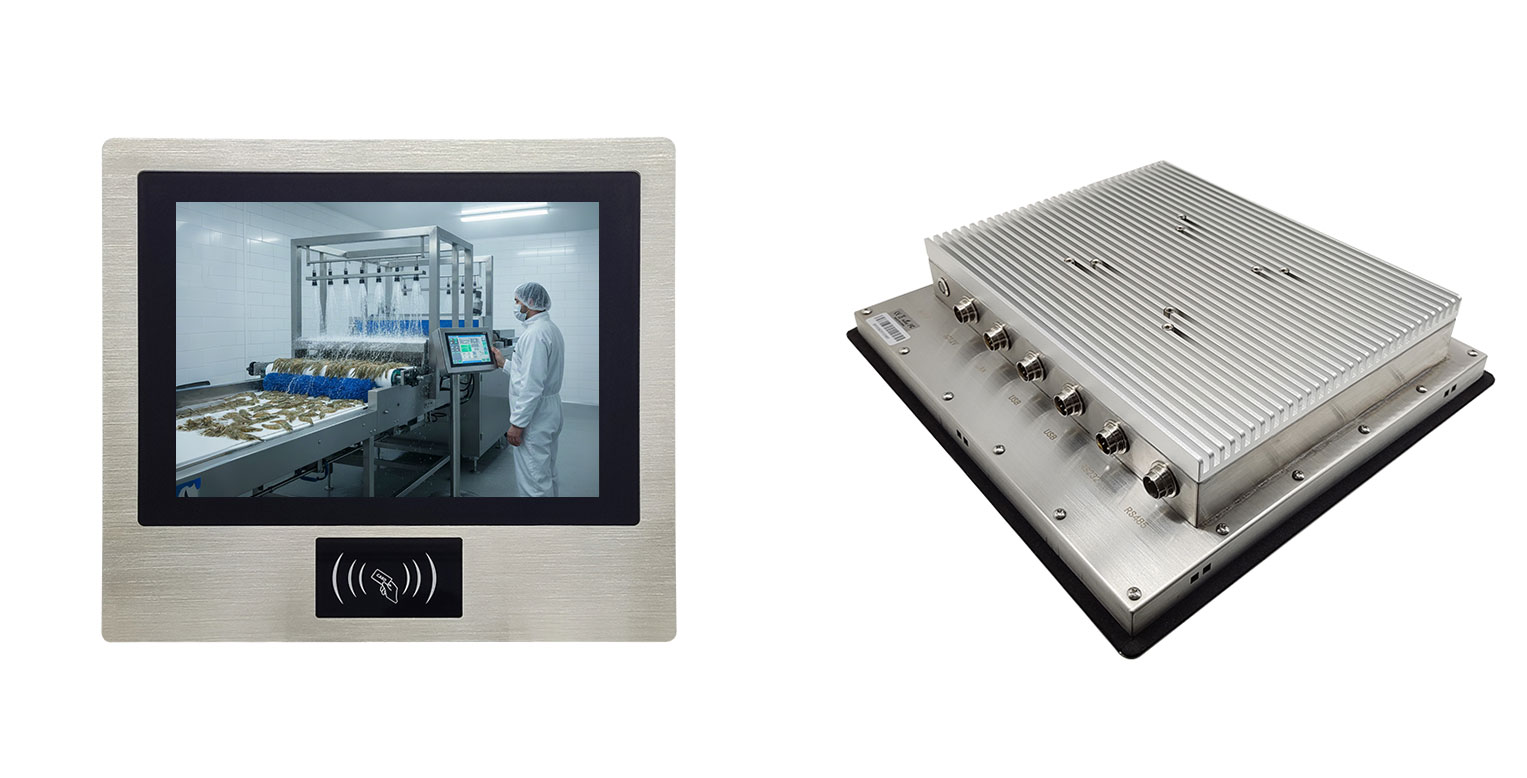
At each cutting station, waterproof touch terminals are standard equipment. Staff use RFID modules for identity verification, with the system automatically logging each master's cutting metrics—processing volume, yield rates, operation duration, and other key indicators. These devices support a wide temperature operating range of -20°C to 70°C, maintaining stable 24/7 operation even in cutting facilities below 12°C. The stainless steel construction facilitates daily cleaning and sanitation, fully compliant with food processing hygiene requirements.
Environmental controls in cutting facilities are equally stringent. Temperature is maintained below 12°C to prevent meat spoilage. All work surfaces are constructed from stainless steel for easy cleaning and sanitation.
Sorting and grading cleaned seafood represents the critical step determining final product pricing and market positioning. Seafood grading standards encompass multiple dimensions including size specifications, appearance, and freshness. Taking shrimp as an example, initial classification is by count per kilogram—categories like 20-30 count, 31-40 count, and so forth. Larger count grades typically command higher unit prices. Next comes appearance inspection, examining shell integrity, natural coloration, and secure head-to-body attachment. Finally, freshness assessment involves evaluating meat translucency, texture firmness, and odor characteristics.
Modern facility sorting stations have achieved human-machine collaborative operations. Industrial touchscreen computers mounted above sorting workstations run intelligent grading systems. As workers place seafood on electronic scales, the system automatically identifies size and appearance grades through camera recognition, displaying results in real-time on 1024×768 high-resolution screens. The 10-point capacitive touch capability allows operators to quickly adjust grading parameters or manually correct assessment results, significantly improving sorting efficiency and accuracy.
While meat doesn't undergo size-based grading as strictly as seafood, quality classification remains essential. Beef requires examination of marbling uniformity (fat distribution), directly affecting tenderness and flavor. Pork inspection focuses on lean meat ratio and coloration. Grading work typically occurs at dedicated sorting stations, where a skilled worker can process several hundred kilograms of seafood per hour while maintaining accuracy rates above 95%.
Following cutting and grading, products advance to weighing and packaging operations. Weighing stations feature high-precision electronic scales with tolerances within ±2 grams. Packaging format selection depends on product characteristics and market positioning:
Foam trays with stretch film: Cost-effective and simple to operate, suitable for most fresh meat and seafood
Plastic container packaging: Commonly used for premium seafood or products requiring enhanced protection
Vacuum packaging: Effectively inhibits microbial growth, extending shelf life to 7-14 days
Frozen bag packaging: Employs heavy-duty composite material bags capable of withstanding freezing temperatures
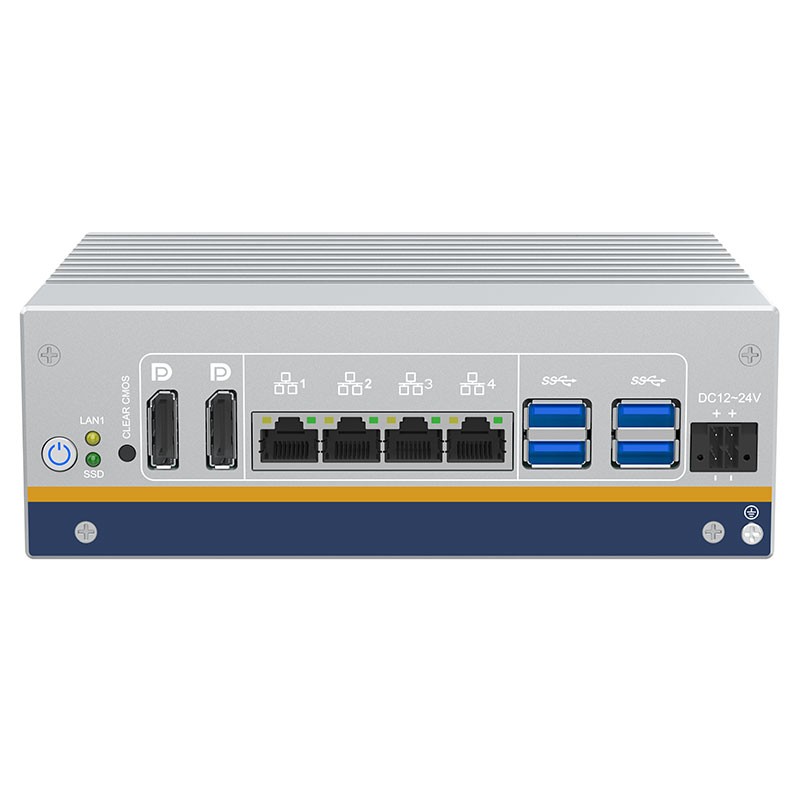
Each station on the packaging line is equipped with touch operation terminals, seamlessly integrated with electronic scales, printers, and barcode scanners. Staff select product types and packaging specifications via touchscreen, with the system automatically generating and printing label information. Intel Core i5-8259U quad-core processors ensure fluid system performance, handling data from multiple production lines simultaneously without lag. The fanless passive cooling design prevents dust and bacterial accumulation in humid environments, while the aluminum alloy finned heatsink with anti-UV color-fade treatment maintains appearance integrity over extended use.
Temperature control in packaging facilities is equally important. Fresh product packaging areas maintain temperatures of 10-15°C, while frozen product packaging areas operate below 0°C. An efficient packaging line can process 2,000-3,000 units per hour.
Every product must possess complete traceability capability. Labels include product name, variety, origin, specifications, net weight, production date, best-by date, storage conditions, and other information. Traceability codes record comprehensive production data—in the event of food safety incidents, problem stages can be rapidly identified.
During quality inspection, inspectors use touch terminals equipped with RFID card readers to scan each batch's traceability code. The system immediately retrieves complete production records—from raw material receipt, washing parameters, cutting personnel, packaging time, to quality inspection results—all data presented at a glance. AG anti-glare treated touchscreens remain clearly visible even under intense lighting, enabling inspectors to quickly complete audits and confirm with electronic signatures.
Before products are loaded for distribution, rigorous quality checks are mandatory. Visual inspection ensures products are defect-free with intact packaging. Weight spot-checks randomly sample 5-10% of products for re-weighing. Temperature verification confirms fresh products maintain 0-4°C, frozen products below -18°C. Metal detection is a vital food safety safeguard—all packaged products pass through metal detectors, with the system automatically alerting and ejecting any product triggering detection signals.
Products passing all inspections advance to loading and distribution operations. Prior to loading, transport vehicle chambers are pre-cooled—fresh product transport maintains 0-4°C, frozen products below -18°C.
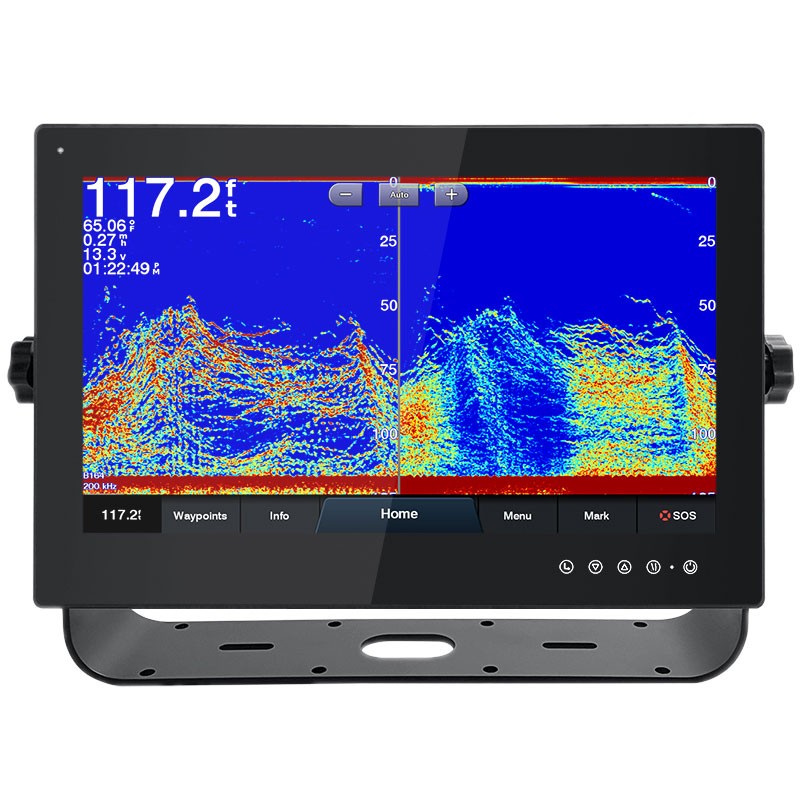
On the large displays in the distribution management center, real-time positions and chamber temperatures of all transport vehicles are visible. Dispatchers plan optimal delivery routes through touch operation panels, clicking any vehicle icon to view detailed information. These industrial-grade touch terminals employ gigabit network cards ensuring stable data transmission, with 256GB solid-state drives storing vast historical distribution data to support route optimization decisions. Devices mount flexibly via VESA standard brackets, with IP65-rated waterproof interface design preventing water ingress during cleaning.
Transport vehicles are equipped with temperature monitoring systems that continuously log chamber temperature fluctuations. Delivery routes undergo careful planning, with the entire transport process from facility to retail typically controlled within 2-4 hours.
Upon arrival at retail locations, products are unloaded to the store's cold chain receiving area, ensuring products remain within the cold chain throughout handoff. Complete delivery records include departure time, arrival time, chamber temperatures, and handoff details—this data serves as vital documentation for food safety traceability.
Previous: None
Next: Sihovision industrial panel PCs performing in a brewery